Computer Vision: Bridging the Gap Between Artificial Intelligence and Visual Creativity
In the rapidly evolving landscape of digital technology, few innovations have captured the imagination of professionals and entrepreneurs quite like Computer Vision. While often associated with complex algorithms and autonomous systems, the concept extends far beyond mere data processing. It represents a fundamental shift in how machines perceive, interpret, and interact with the visual world. For creators, marketers, and business leaders, understanding this technology is no longer optional; it is a strategic imperative. This article explores the multifaceted nature of Computer Vision, examining its role in modern industry, its impact on creative workflows, and why it has become a cornerstone of contemporary digital strategy.
Defining the Technology Behind the Sight
At its core, Computer Vision is a field of artificial intelligence that enables computers to derive meaningful information from digital images, videos, and other visual inputs. If artificial intelligence allows computers to think, computer vision allows them to see, observe, and understand. This capability is not merely about capturing pixels; it is about contextualizing visual data in real-time. By leveraging deep learning models and neural networks, systems can identify objects, detect anomalies, and even predict outcomes based on visual patterns.
The significance of this technology lies in its ability to automate tasks that previously required human intuition and manual effort. From quality control in manufacturing to personalized recommendations in e-commerce, the applications are vast. However, the true power of Computer Vision emerges when it is integrated seamlessly into broader business ecosystems, enhancing efficiency and unlocking new avenues for innovation.
The Intersection of Technology and Aesthetic Identity
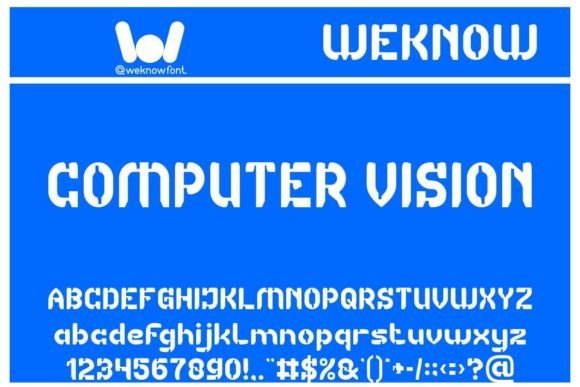
While the technical underpinnings of Computer Vision are robust, its influence permeates the creative sectors in surprising ways. Consider the aesthetic representation of futurism in branding. Fonts and typographic choices play a pivotal role in conveying the essence of technology. For instance, a typeface like Computer Vision—a suave fusion of technology, sci-fi, and futurism, embodied in a stunning display font—captures the spirit of this era. This font is ideal for crafting compelling logos and irresistible logotypes that catch the eye and stick in the memory.
Beyond its flair in polishing corporate and brand identities, it has also carved a niche in the apparel industry, empowering your designs with a bold, yet elegant character. Whether you are designing a poster, crafting the narrative for music, movies, games, magazines, or books, Computer Vision is the go-to choice for a striking visual dialogue. It has even proven its worth in the realms of comic book creations and cartoon illustrations. It shines on social media platforms like YouTube and Instagram, as well as on various websites, breathing life into your innovative design projects. Unleash your creativity with the unprecedented features of Computer Vision font.
This synergy between hard technology and soft design illustrates a broader trend: the need for businesses to communicate their technological sophistication through visually compelling narratives. The font itself becomes a metaphor for the clarity and precision that Computer Vision brings to data analysis.
Why Professionals Are Paying Attention Now
The surge in interest surrounding Computer Vision is not accidental. It is driven by changing needs, preferences, and expectations across various industries. As consumers become more accustomed to seamless, intuitive digital experiences, businesses must adapt. The demand for instant visual recognition, augmented reality filters, and automated content moderation has skyrocketed. Professionals are recognizing that integrating Computer Vision into their workflows is essential for staying competitive.
Moreover, the accessibility of these tools has improved dramatically. Cloud-based APIs and pre-trained models have lowered the barrier to entry, allowing freelancers and small enterprises to leverage capabilities that were once exclusive to tech giants. This democratization of technology is reshaping the market, enabling a wider range of creators to experiment with visual AI.
Transforming Workflows and Consumer Expectations
The integration of Computer Vision is fundamentally altering how work gets done. In the retail sector, for example, visual search engines allow customers to upload photos of products they like and find similar items instantly. This shifts the consumer journey from text-based queries to visual discovery, aligning with the natural way humans process information. For marketers, this means optimizing visual assets for machine readability, not just human appeal.
In the healthcare industry, Computer Vision assists radiologists in detecting early signs of diseases in medical imaging, improving accuracy and speed. In agriculture, drones equipped with visual sensors monitor crop health, optimizing resource usage. These practical examples highlight how the technology is moving from experimental phases to critical operational roles. The expectation is no longer just for automation, but for intelligent augmentation that enhances human decision-making.
Strategic Implications for Business and Creativity
For entrepreneurs and business leaders, the adoption of Computer Vision offers a distinct competitive advantage. It enables deeper insights into customer behavior through visual analytics. By analyzing foot traffic patterns in physical stores or engagement metrics on video platforms, companies can make data-driven decisions that enhance user experience and drive revenue. Furthermore, it opens up new revenue streams through innovative products and services, such as virtual try-ons in fashion or interactive advertising campaigns.
From a creative standpoint, the technology empowers artists and designers to push boundaries. Generative art, powered by visual AI, allows for the creation of unique, dynamic visuals that respond to user input. This interactivity fosters a deeper connection between the brand and the audience. As seen with the versatility of the Computer Vision font, the aesthetic of the future is one that blends precision with artistic flair, appealing to both the logical and emotional aspects of consumer perception.
Navigating the Ethical and Practical Landscape
As with any powerful technology, the rise of Computer Vision brings ethical considerations to the forefront. Issues related to privacy, bias in algorithmic training data, and surveillance must be addressed responsibly. Professionals must ensure that their implementation of these tools adheres to regulatory standards and ethical guidelines. Transparency in how visual data is collected and used is crucial for maintaining consumer trust.
Practically, this means investing in diverse datasets to minimize bias and implementing robust security measures to protect user privacy. It also involves continuous education and upskilling for teams to understand the limitations and potentials of the technology. By approaching Computer Vision with a mindset of responsibility and integrity, businesses can harness its benefits while mitigating potential risks.
The Future of Visual Intelligence
Looking ahead, the trajectory of Computer Vision points toward even greater integration with other emerging technologies. The convergence with Augmented Reality (AR) and Virtual Reality (VR) will create immersive environments where digital and physical worlds blend seamlessly. Imagine walking down a street where your glasses overlay historical information about buildings, or shopping in a virtual store where you can see how furniture looks in your actual living room. These scenarios are no longer science fiction; they are becoming tangible realities.
Furthermore, the evolution of edge computing will enable Computer Vision applications to run locally on devices, reducing latency and enhancing privacy. This shift will empower mobile applications and IoT devices to perform complex visual analyses in real-time, without relying on cloud connectivity. For developers and creators, this opens up new possibilities for building responsive, intelligent applications that operate efficiently in diverse environments.
Embracing the Visual Revolution
The relevance of Computer Vision in today’s digital ecosystem cannot be overstated. It is a catalyst for innovation, driving efficiency, enhancing creativity, and transforming customer experiences. For professionals across all sectors, understanding and leveraging this technology is key to navigating the future of work and commerce. Whether through the strategic use of AI-driven analytics or the aesthetic appeal of futuristic design elements like the Computer Vision font, the visual language of technology is becoming increasingly central to brand identity and operational success.
To stay ahead, individuals and organizations must remain agile, continuously exploring new applications and refining their approaches. By embracing the capabilities of Computer Vision, we can unlock new levels of insight and creativity, shaping a future where technology not only sees but truly understands the world around us. The journey has just begun, and the opportunities are limitless for those willing to look closer.
As you consider your next project or business strategy, ask yourself how visual intelligence can enhance your objectives. Whether it is through automating routine tasks, gaining deeper customer insights, or creating striking visual identities, Computer Vision offers the tools to turn vision into reality. The fusion of technology and creativity is here, and it is reshaping the way we interact with the digital world.